Defining the blood money infrastructure
In the context of cryptocurrency, "blood money" refers to proceeds extracted through violence, theft, or coercion. However, the coins themselves are just digital entries. The real danger lies in the blood money infrastructure: the interconnected system of hardware, software, and services that transforms illicit gains into spendable assets.
This infrastructure operates like a laundering pipeline. It begins with the acquisition of stolen funds, often through ransomware attacks or darknet marketplaces, and moves through a series of obfuscation steps. Mixing services break the link between the victim and the criminal, while decentralized exchanges allow for the conversion of tainted coins into other cryptocurrencies or fiat currency. Without this infrastructure, stolen Bitcoin would remain locked in an unspendable, traceable state.
The scale of this operation is significant. According to analysis by Chainalysis, illicit activity involving cryptocurrency reached record highs in recent years, with ransomware and scams driving the majority of transactions. This isn't just about individual hackers; it's about a sophisticated ecosystem that includes money mules, privacy-focused coins, and complex cross-chain bridges designed to evade detection.
Understanding this infrastructure is essential for regulators and exchanges. By identifying the nodes in this network—such as specific mixing protocols or high-risk wallets—authorities can disrupt the flow of illicit funds. The goal is not to stop all Bitcoin transactions, but to sever the links that allow violent crime to be monetized on a global scale.
Mining theft injects blood money into the supply
The Bitcoin network doesn't just process honest transactions; it also absorbs the proceeds of large-scale industrial theft. A primary source of this "blood money" is the seizure of massive mining operations, where the hardware itself becomes the vehicle for illicit value transfer. When criminal syndicates seize mining farms, they aren't just stealing electricity; they are liquidating thousands of ASIC machines to convert stolen hash power directly into Bitcoin.
The most significant example of this infrastructure failure is the historic US-UK operation targeting the Prince Group. According to the Department of Justice, this cluster corresponds to roughly 127,271 Bitcoin, valued at nearly USD 15 billion. The funds originated from a bitcoin mining business with links to Iran and China, where the syndicate allegedly stole computing power to mine BTC. This wasn't a small-scale hack; it was the theft of an entire industrial operation, injecting a massive, concentrated volume of illicit coins into the ecosystem.
This creates a specific on-chain footprint. Unlike traditional bank fraud, where money is moved through accounts, mining theft leaves a trail of seized hardware and frozen wallets. US Customs has seized Bitmain equipment over compliance concerns in recent years, demonstrating that this is not a theoretical vulnerability but an active enforcement battleground. The infrastructure of mining—hardware, software, and regulation—becomes the frontline in tracking these flows.
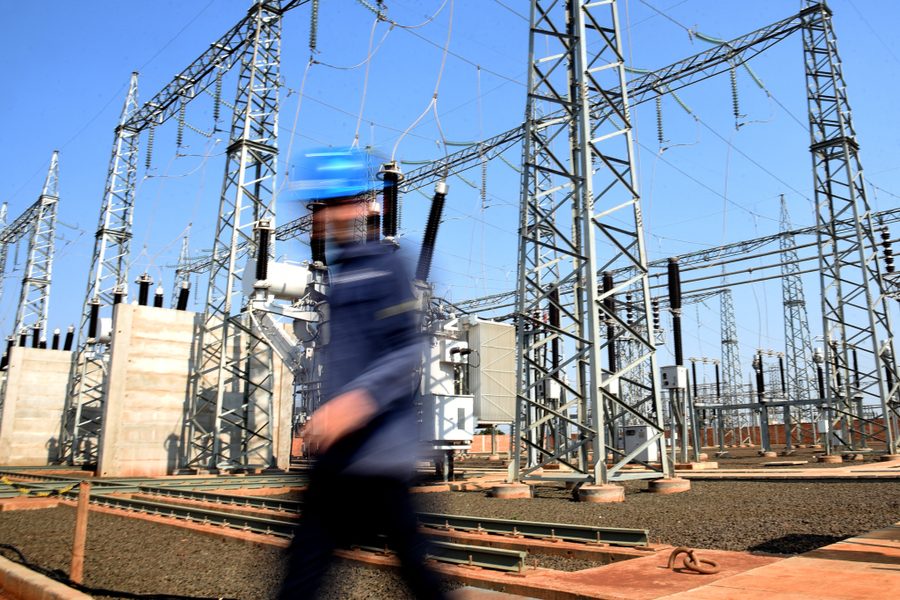
The scale of these seizures highlights the fragility of the mining supply chain. When a single entity controls enough hash power, theft becomes a strategic weapon. The Prince Group case shows how criminal groups can exploit the decentralized nature of mining to obscure the origin of funds, making it harder for analysts to distinguish between legitimate mining rewards and stolen proceeds.
Tracking liquidity through on-chain tools
Tracing illicit Bitcoin flows is less about magic and more about infrastructure. Just as physical cash moves through banks and ATMs, digital coins move through a transparent ledger. The challenge for investigators is not finding the money, but identifying the human behind the address. This process relies on a stack of specialized software tools that transform raw blockchain data into actionable intelligence.
Block explorers and the raw ledger
The foundation of any investigation is the block explorer. Tools like Blockchain.com or Blockchair allow analysts to view every transaction in real time. While these platforms show the movement of funds, they only display alphanumeric strings, not names. An investigator starts here to map the initial outflow from a known illicit source, such as a seized exchange wallet or a darknet marketplace. The goal is to identify the first hop in the chain, often a mixer or a privacy-focused service designed to obscure the origin.
Cluster analysis and entity labeling
Raw data becomes useful only through cluster analysis. This methodology groups multiple addresses together under the assumption that they are controlled by the same entity. If several addresses consistently send funds to a common destination, they likely belong to the same operator. Specialized platforms like Chainalysis or Elliptic maintain vast databases of these clusters. They also apply "entity labeling," tagging addresses associated with known services, such as centralized exchanges, gambling sites, or sanctioned entities. This labeling turns a confusing web of addresses into a readable map of financial relationships.
The role of heuristics
When direct labeling fails, analysts rely on heuristics—rules of thumb derived from common wallet behaviors. For example, a "change address" is often identified by its role in returning leftover funds to the sender after a transaction. By tracking these change addresses, investigators can follow the money back to its source. These techniques are not perfect, but they provide a high degree of confidence when combined with other data points. The infrastructure of tracing is built on these small, logical deductions, each linking one anonymous address to the next.
Why infrastructure matters
The effectiveness of these tools depends on the quality of the underlying data. As illicit actors adopt new privacy coins or cross-chain bridges, the infrastructure must evolve. Regulatory bodies and private firms are in a constant arms race, updating their algorithms to detect new obfuscation techniques. For market researchers, understanding this infrastructure is crucial. It explains why certain markets remain stable despite high-profile seizures and how liquidity continues to flow even when individual actors are identified. The transparency of the blockchain, once seen as a vulnerability, is now the primary tool for enforcement.
Regulatory pressure points in 2026
The infrastructure supporting illicit Bitcoin flows is no longer just a technical challenge; it is becoming a legal one. In 2026, regulatory actions are moving from broad policy statements to targeted enforcement against the physical and digital nodes of the network. This shift disrupts the "blood money" supply chain by increasing the friction and cost of laundering proceeds.
Local ordinances are proving surprisingly effective at disrupting mining operations that serve as front-end money mules. In Texas, noise complaints from crypto mines have pushed neighbors to incorporate new towns, specifically to enforce stricter zoning and noise limits. Texas is now home to at least 27 bitcoin facilities, making it the top crypto mining spot in the U.S., but this density is attracting scrutiny. The Texas Tribune reported that these local regulatory pressures are forcing miners to either comply with strict community standards or relocate, effectively raising the operational costs for facilities that may be laundering illicit funds.
At the federal level, customs seizures are sending a clear message about compliance. U.S. Customs and Border Protection has seized Bitmain mining equipment over compliance concerns in recent years. This demonstrates that the hardware itself—the physical infrastructure of the mining network—is not immune to regulatory action. When customs blocks equipment, it disrupts the ability of bad actors to rapidly deploy new mining capacity, which is essential for mixing and laundering large volumes of Bitcoin.
These regulatory pressure points are creating new market dynamics. As compliance costs rise and enforcement tightens, the infrastructure becomes less accessible to illicit actors. This forces the underground economy to either become more sophisticated and expensive or to exit the Bitcoin network entirely, reducing the overall volume of illicit flows.
Essential tools for market research
Tracking the movement of illicit funds requires a stack of specialized software and secure hardware. Compliance officers and forensic analysts rely on these tools to map transactions, identify shell companies, and flag suspicious activity before it disappears into privacy coins or mixers.
Analysis Software
Chainalysis Reactor and Elliptic are the industry standards for blockchain intelligence. They provide visual graphs of transaction flows, allowing investigators to trace funds from illicit sources to exchanges or wallets. These platforms maintain extensive databases of known bad actors, including sanctioned entities and darknet markets.
Secure Hardware
To store the proceeds of illicit activity, criminals often use hardware wallets like the Trezor Model T or Ledger Nano X. These devices keep private keys offline, making them resistant to remote hacking. For researchers, using similar secure storage is essential when handling sensitive data or interacting with compromised wallets during live analysis.
Market Context
Understanding the value of tracked assets is critical. A single Bitcoin transaction can represent millions in illicit value, fluctuating with market sentiment.

Recommended Products



As an Amazon Associate, we may earn from qualifying purchases.
No comments yet. Be the first to share your thoughts!