Market Structure in 2026
The 2026 Bitcoin landscape is defined by a sharp divergence between legacy infrastructure and decentralized resilience. We are no longer in the era of speculative mania; we are in the era of structural stress testing. This context gives rise to the BTC Blood Money framework—a lens for analyzing where liquidity actually flows when the system is pushed to its breaking point.
Traditional financial rails, built for permissioned transfers, are showing their seams. As regulatory scrutiny intensifies and counterparty risks materialize, the value of Bitcoin’s decentralized nature becomes less of a philosophical argument and more of a practical necessity. Unlike systems reliant on banks or government intermediaries, Bitcoin allows value to move without permission, a feature that gains premium value during periods of institutional friction.
The "Blood Money" concept tracks the cost of this transition. It measures the liquidity drain from centralized exchanges and the subsequent flow into self-custody and layer-two solutions. This isn't just about price; it's about the health of the underlying network. When the old guard stumbles, the new infrastructure either holds or breaks.
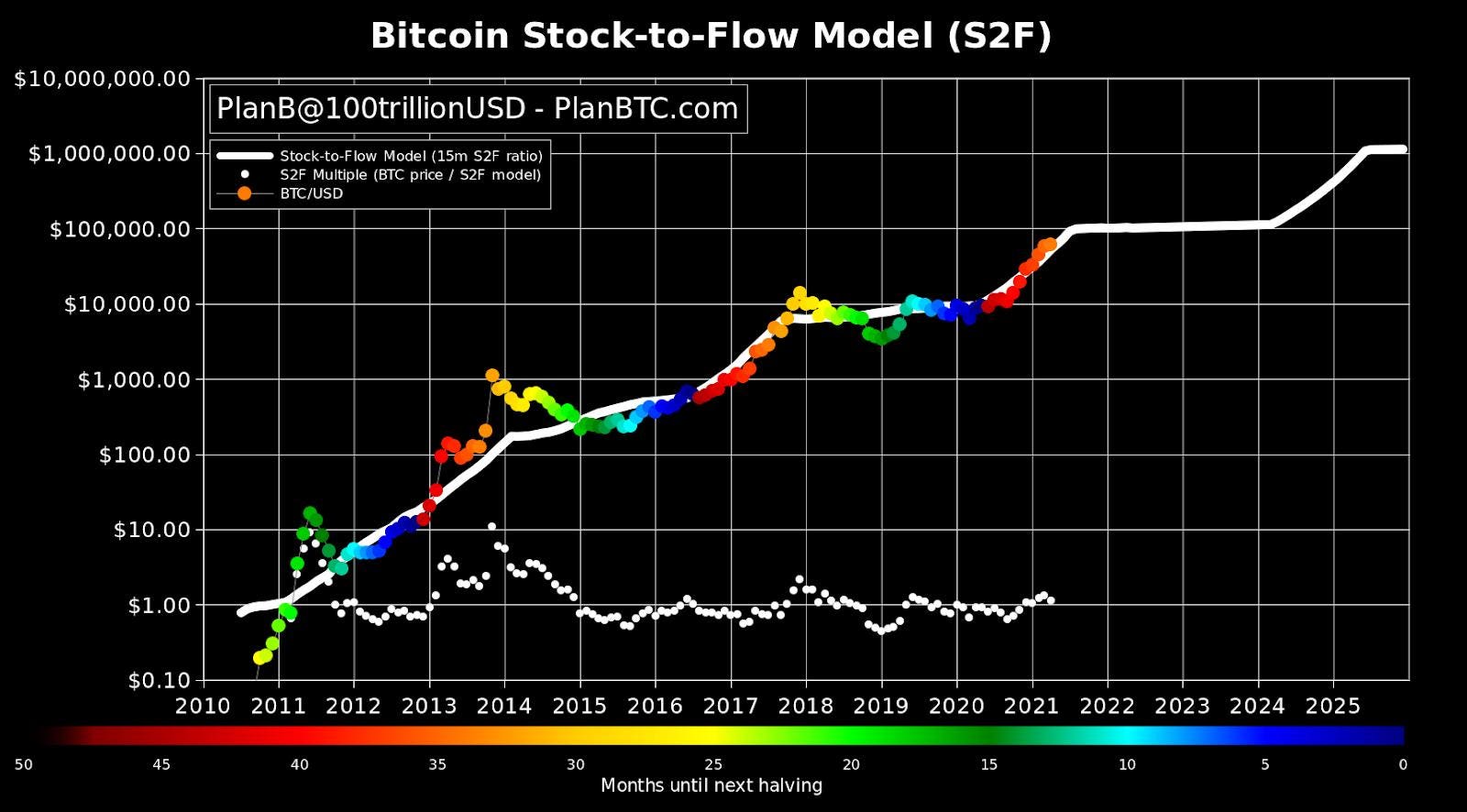
To understand where we stand, we need to look at the data, not the headlines. The following chart illustrates the current market dynamics, grounding our analysis in real-time price action and volume profiles.
Layer-2 infrastructure impact
Bitcoin’s role as a settlement layer is undergoing a structural shift. The migration toward Layer-2 (L2) solutions is fundamentally altering how liquidity flows through the network. For the BTC Blood Money analysis, this isn’t just about transaction speed; it’s about where the capital sits and how it moves when the base layer is congested.
Historically, Bitcoin operated as a high-latency, high-security settlement rail. Transactions on Layer-1 were expensive and slow, effectively pricing out small-value transfers and forcing users to hold capital in centralized exchanges or custodial wallets for convenience. L2s—such as the Lightning Network and various state channels—offload these micro-transactions off-chain. This reduces the burden on the main chain, allowing Bitcoin to function as a true peer-to-peer electronic cash system rather than merely a digital gold reserve.
The liquidity dynamics change because capital is no longer static. When users can send value instantly and cheaply via L2s, they are more likely to hold spendable balances rather than locking funds away in cold storage or long-term holding strategies. This increases the velocity of money within the ecosystem. However, it also introduces fragmentation. Liquidity is now distributed across multiple L2 channels and bridges, creating complex routing challenges that weren’t present in the single-chain model.
This shift also impacts the BTC Blood Money narrative by changing the attack surface. With more transactions happening off-chain, the security assumptions shift from pure cryptographic proof-of-work to economic incentives and channel closure mechanisms. The "blood money" aspect—the high cost of failure or censorship—remains anchored in Bitcoin’s base layer, but the utility layer now relies on a different set of trust assumptions. Understanding this split is critical for tracking where real economic activity is occurring versus where speculative capital is parked.
The convergence of these layers creates a hybrid system. Bitcoin provides the ultimate settlement guarantee, while L2s provide the throughput necessary for daily use. This duality is reshaping the market’s perception of Bitcoin’s utility, moving it closer to a global payment network. However, the complexity of managing liquidity across these layers introduces new risks that traditional on-chain metrics may not fully capture.
How capital is moving now
The liquidity landscape for Bitcoin is undergoing a structural shift as 2026 infrastructure matures. Capital is no longer just flowing through exchanges; it is embedding itself into the underlying settlement layers. This change alters how value is stored, transferred, and realized across the ecosystem.
Previously, liquidity was fragmented across centralized exchanges and custodial wallets. Today, the trend points toward decentralized finance (DeFi) protocols and on-chain settlement. This shift reduces counterparty risk but introduces new complexities in yield generation and capital efficiency.
The following table compares the pre-2026 liquidity model with the emerging 2026 framework. It highlights the move from centralized intermediaries to decentralized, programmable money flows.
| Feature | Pre-2026 Model | 2026+ Model |
|---|---|---|
| Settlement Layer | Centralized Exchanges (CEXs) | On-Chain & Layer 2 |
| Capital Efficiency | Low (Idle Balances) | High (Yield-Bearing) |
| Counterparty Risk | High (Custodial) | Low (Non-Custodial) |
| Access Control | KYC/AML Gatekept | Permissionless |
| Transparency | Opaque Order Books | Public Ledger |
This transition demands a new approach to liquidity strategy. Traders and institutions must now account for on-chain metrics, such as exchange net flows and stablecoin dominance, to gauge market sentiment. The old reliance on order book depth is being supplemented by real-time on-chain data.
Understanding these shifts is critical for navigating the "blood money" dynamics of the current cycle. Capital is moving faster, with less friction, and with greater transparency. Those who adapt to this new liquidity reality will be better positioned to manage risk and capture opportunity.
Essential tools for tracking
Tracking the 2026 infrastructure shifts requires more than just watching price action. You need visibility into on-chain flows, exchange reserves, and wallet activity. Without the right software, you are flying blind through a market that moves faster than traditional news cycles can cover.
The goal is to identify where "blood money" is moving before it hits the order books. This means monitoring large wallet movements, stablecoin minting, and exchange inflows. The tools below help you build that dashboard without getting lost in the noise.
Hardware wallets for secure custody
If you are holding significant Bitcoin through these infrastructure changes, security is not optional. Software wallets are convenient, but hardware wallets keep your private keys offline, away from hackers and malware. For long-term holds, a dedicated device is the only way to ensure your assets remain yours.


As an Amazon Associate, we may earn from qualifying purchases.
On-chain analytics platforms
Data is the new oil, but only if you can refine it. On-chain analytics platforms break down the blockchain into readable metrics. They show you what institutions are doing, where whales are accumulating, and how liquidity is shifting across exchanges. This visibility is critical for timing your entries and exits during volatile infrastructure transitions.
Exchange monitoring tools
Finally, keep an eye on exchange reserves. Sudden inflows often signal impending sell pressure, while outflows suggest accumulation. Tools that track exchange net flows in real-time allow you to react to market sentiment before it fully plays out. Combine this with the on-chain data for a complete picture of the market's health.
Common Questions About Bitcoin Infrastructure
Bitcoin operates differently from traditional payment rails. Unlike services like Venmo or PayPal, which depend on banks and government-issued accounts to process transfers, Bitcoin is decentralized. This means any two people anywhere in the world can send value directly without intermediaries.
This structural shift creates what some analysts call "blood money" infrastructure—systems that bypass traditional financial controls. While this offers privacy and censorship resistance, it also introduces higher volatility and regulatory scrutiny.
Is Bitcoin truly decentralized?
Yes. No single entity controls the Bitcoin network. Nodes and miners around the world validate transactions according to open-source rules. This contrasts sharply with centralized fintech apps that can freeze accounts or reverse transactions at will.
Why does this matter for 2026?
As global infrastructure shifts, Bitcoin’s permissionless nature becomes more relevant. Users seeking to avoid institutional gatekeepers are turning to Bitcoin for settlement, not just speculation. This trend is reshaping how we view digital assets.
How does it compare to gold?
Bitcoin is often called "digital gold" due to its scarcity and store-of-value properties. However, unlike physical gold, Bitcoin is divisible, portable, and verifiable instantly. It complements traditional safe havens while offering unique technological advantages.
No comments yet. Be the first to share your thoughts!