
Defining BTC Blood Money Analysis
"BTC Blood Money" refers to Bitcoin flows linked to illicit activities, such as ransomware payments, darknet market transactions, or terrorist financing. This guide focuses on the forensic tracing of these funds, distinguishing the practice from unrelated cultural references or traditional legal concepts like Islamic Diya.
The term describes the intersection of on-chain data and criminal investigation. Unlike traditional banking, where financial crimes are often detected through transaction monitoring, Bitcoin transactions are public by default. This transparency creates a unique challenge: while the ledger is immutable and visible, the identities behind the addresses remain pseudonymous. Forensic analysis bridges this gap by clustering addresses, tracing fund movements across mixing services, and linking wallet activity to known entities.
Understanding the scope is critical for compliance officers, law enforcement, and security researchers. The analysis involves mapping the journey of stolen or illicit funds from the initial point of entry to their eventual use in fiat off-ramps or further laundering. This process relies on sophisticated heuristics, blockchain analytics tools, and cooperation with regulated exchanges.
Identify the source wallets
The first step in tracing BTC blood money is locating the origin wallets. This process involves using blockchain explorers to view the public ledger and cross-referencing addresses against known illicit databases. Because Bitcoin transactions are immutable and transparent, the trail of funds often remains visible for years, provided you know where to look.
Locate the origin address
Every Bitcoin transaction begins with a specific input address. Use a primary blockchain explorer to find the initial entry point of the funds. This address is the "source wallet" from which the illicit activity originated. Look for the earliest transaction in the chain that introduced the coins into the mixing or laundering process. Identifying this anchor point is critical for understanding the scale and origin of the funds.
Cross-reference with illicit databases
Once you have the source address, check it against curated databases of known illicit actors. These databases, often maintained by cybersecurity firms or law enforcement agencies, flag addresses associated with ransomware, darknet markets, and sanctions violations. A match here provides immediate context, confirming whether the funds are linked to specific criminal enterprises or money laundering schemes.
Analyze transaction patterns
Examine the transaction history for patterns that indicate mixing or layering. Look for rapid movements through multiple wallets, small "dust" transactions used to obscure trails, or interactions with privacy-focused services. These patterns help distinguish between a single illicit payout and a complex laundering operation, providing a clearer picture of the money's journey.
Map the immediate outflows
Tracking the first hop of funds is the critical juncture in any BTC blood money analysis. Once a wallet initiates a transaction, the path it takes reveals the operator's intent and their level of sophistication. The goal is to identify whether the funds are moving directly to a regulated exchange, passing through a mixer, or being split across multiple addresses to confuse tracking.
Identify the destination
The first step is to determine where the funds are heading. Use a blockchain explorer to trace the transaction from the source wallet. Look for known exchange deposit addresses (e.g., Binance, Coinbase, Kraken) or centralized mixing services (e.g., Tornado Cash). If the funds land on a regulated exchange, the trail is likely to end there, as these platforms require KYC. If the destination is a mixer, the funds will be pooled and redistributed, making direct attribution difficult without advanced heuristics.
Watch for rapid transfers
Speed is a key indicator of obfuscation. Legitimate users rarely move funds through dozens of addresses in minutes. If you see a burst of small transactions spreading from a single source to many recipients, this is a common technique used to fragment funds and avoid threshold detection. These "dusting" transactions are designed to break the link between the source and the final destination. Analyze the timing: if multiple outputs occur within seconds of each other, it is likely an automated script rather than a human operator.
Compare obfuscation techniques
Not all mixing methods are created equal. Understanding the difference between centralized mixers and decentralized chain-hopping helps assess the difficulty of detection. Centralized mixers often leave a clearer trail because they control the internal ledger, whereas chain-hopping involves moving funds across different blockchains (e.g., BTC to LTC to BTC), which can obscure the original source but requires more steps and fees.
| Technique | Detection Difficulty | Description |
|---|---|---|
| Centralized Mixer | Low | Funds pooled in a single service; internal ledgers may be subpoenaed. |
| Decentralized Mixer | Medium | Smart contract-based; harder to trace but leaves on-chain patterns. |
| Chain-Hopping | High | Funds moved across multiple blockchains; breaks direct on-chain links. |
Analyze the pattern
Finally, look for patterns that suggest coordinated activity. If the same source wallet sends funds to multiple mixers or exchanges in a short period, it may indicate a large-scale operation. Conversely, if the funds are held in a single address for an extended period, it might be a long-term storage wallet rather than an active participant in a laundering scheme. Combine this analysis with the price data to see if the timing correlates with market movements or specific events.
Grouping addresses with clustering tools
On-chain data is rarely clean. A single entity typically spreads funds across dozens or hundreds of addresses to obscure ownership trails. Without grouping these addresses together, the true scale of the stash remains hidden. Clustering tools solve this by applying heuristics and pattern recognition to link disparate inputs and outputs back to a common owner.
This step is the foundation of any forensic investigation. It transforms a scattered web of transactions into a coherent map of an entity's holdings. By identifying which addresses belong to the same wallet or organization, investigators can accurately calculate total exposure and trace the flow of illicit funds through the network.
The most common method involves analyzing transaction structure. When a transaction spends multiple input addresses to fund a single output, those inputs are likely controlled by the same entity. This "common input ownership" heuristic is the primary signal used by tools like Chainalysis, Elliptic, and TRM Labs to build clusters. More sophisticated tools also analyze change addresses, where leftover funds are sent to new addresses that still belong to the original owner.
Using these tools requires understanding their limitations. Clustering is probabilistic, not absolute. False positives can occur when exchanges, mixers, or services like custodial wallets aggregate funds from many unrelated users. A thorough investigation cross-references clustering results with other data points, such as known exchange addresses or IP logs, to confirm the identity behind the cluster.
For high-stakes cases, relying on a single tool is risky. Combining outputs from multiple providers helps mitigate individual biases or blind spots. The goal is to build a robust picture of ownership that can withstand scrutiny, whether for legal proceedings or internal compliance reviews.
Trace the path to exchanges
The final leg of any BTC blood money analysis is identifying the destination exchange. This is where the forensic trail ends and legal liability begins. Exchanges are the choke points of the cryptocurrency ecosystem; they are the only places where pseudonymous wallets connect to real-world identities through Know Your Customer (KYC) protocols. Once you identify the specific platform receiving the funds, you have located the bridge between the digital crime and the physical suspect.
Verify the destination platform
Not all exchanges treat incoming funds the same way. Major centralized exchanges (CEXs) like Coinbase, Kraken, and Binance maintain strict compliance teams and cooperate with law enforcement. If the funds land in a wallet associated with one of these platforms, the probability of identification skyrockets. Smaller or offshore exchanges may have laxer controls, but they still leave on-chain footprints. Use blockchain explorers to trace the final transaction hash to the deposit address provided by the exchange. This address is unique to the user's account and is the key to unlocking their identity.
Assess the KYC exposure
The moment a user deposits Bitcoin into a regulated exchange, they surrender their anonymity. The exchange has already collected their government ID, proof of address, and biometric data. If the funds are deposited and then withdrawn as fiat currency to a bank account, or used to purchase other assets within the exchange, the link is unbreakable. Even if the user attempts to obfuscate the trail by mixing services before deposit, the exchange's internal ledger still holds the record of who controlled the deposit address at the time of the transaction.
Monitor for withdrawal attempts
Identification isn't just about the deposit; it's about the exit. Analysts must monitor the exchange wallet for any signs of withdrawal. If the funds are moved to a personal cold wallet, the trail may go cold again. However, if the user attempts to cash out, the exchange will flag the activity and potentially freeze the account. This is the critical moment for law enforcement intervention. The combination of the on-chain deposit address and the exchange's internal user data provides a complete picture of the suspect's identity and location.
| Exchange Type | KYC Strictness | Identification Risk |
|---|---|---|
| Major CEX | High | Critical |
| Offshore CEX | Low | Moderate |
| DEX | None | Low |
-
Source wallet identified
-
Outflows mapped to intermediary
-
Intermediary clustered with exchange deposit address
-
Exchange destination confirmed via on-chain data
-
KYC status of exchange assessed
Essential tools for chain analysis
Performing forensic analysis on the Bitcoin blockchain requires a specific stack of software and hardware. You need reliable data visualization, secure storage for private keys, and educational resources to understand the patterns of illicit flow. The following tools are the standard for this work.
Hardware Wallets
Secure your own keys before you begin any analysis. Cold storage devices prevent online exposure while you manage addresses or interact with testnets. Look for devices that support Bitcoin native protocols and offer open-source firmware.
Blockchain Explorers
You need a primary interface to trace transactions. Services like Blockchain.com or Blockchair provide the raw data necessary to follow coin movement. These platforms allow you to view transaction histories, analyze fee markets, and identify clustering patterns.
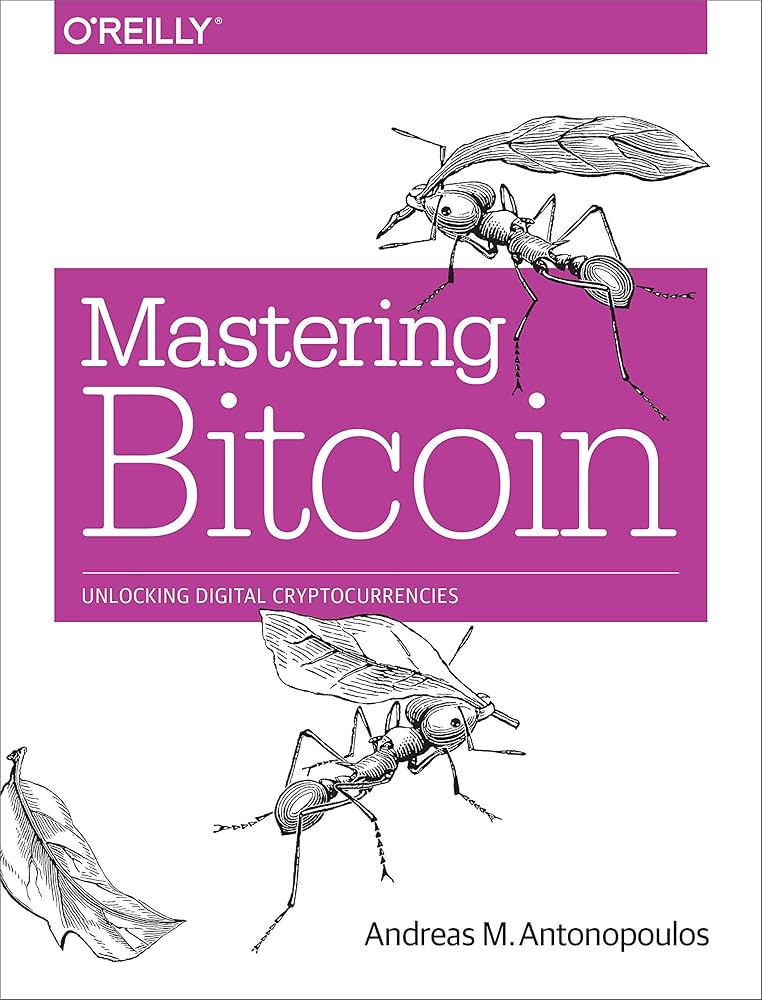
Forensic Analysis Books
Understanding the theory behind money laundering techniques is critical. Books on cryptocurrency forensics explain how mixing services and tumblers obscure trails. These resources provide the theoretical framework needed to interpret the data you find in explorers.


As an Amazon Associate, we may earn from qualifying purchases.
Common questions on BTC blood money
What counts as blood money in crypto?
Blood money is any Bitcoin flagged by blockchain analytics firms (like Chainalysis or Elliptic) as originating from criminal sources. This includes funds from hacks, ransomware, or illicit marketplaces. Exchanges often freeze or seize these funds to comply with regulatory requirements.
How long does on-chain analysis take?
Tracing the origin of suspected blood money can take days to weeks, depending on the complexity of the transactions. If the funds have passed through multiple mixers or privacy coins, the forensic process becomes significantly longer and more resource-intensive for investigators.
Can exchanges freeze these funds?
Yes. Most regulated exchanges monitor incoming transactions. If your deposit is flagged as linked to criminal activity, the exchange may freeze the account pending a compliance review. You may need to provide proof of legitimate source for the funds to be released.
No comments yet. Be the first to share your thoughts!