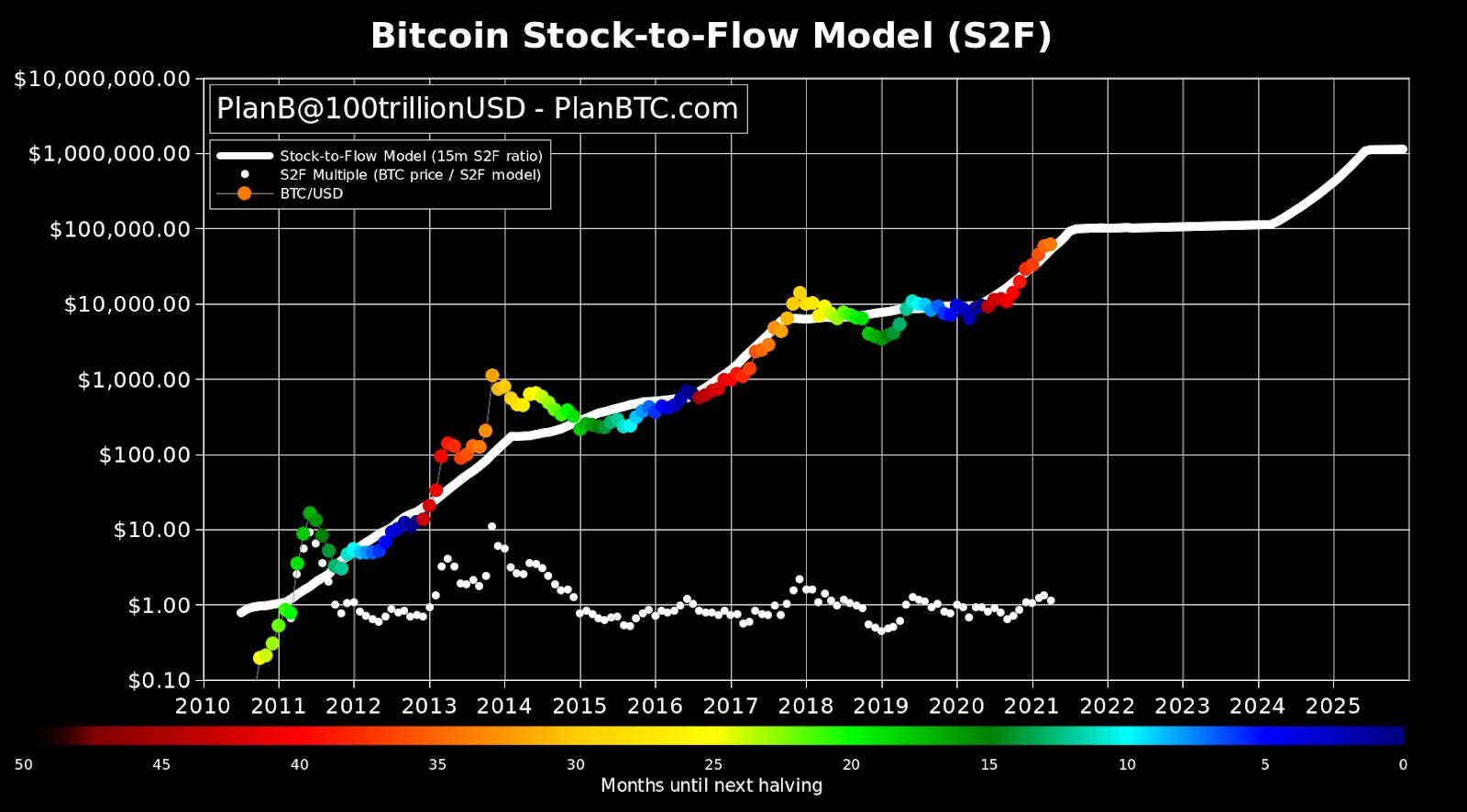
What the blood money narrative actually means
The phrase "blood money" in Bitcoin analysis doesn't refer to emotional fear or general market pessimism. It describes a specific mechanical event: the forced liquidation of leveraged positions that triggers a cascading destruction of capital. When we use this lens, we stop looking at price drops as simple corrections and start seeing them as structural failures within the crypto infrastructure.
This framework focuses on structural fragility. In traditional finance, liquidity shocks are often absorbed by market makers or central banks. In crypto, the infrastructure is thinner. A sudden shift in leverage dynamics can expose gaps in order books, leading to violent price dislocations that have nothing to do with the underlying value of Bitcoin and everything to do with the fragility of the trading layers built on top of it.
We can see this pattern clearly in recent market cycles. When funding rates become excessively positive, it signals that the market is over-leveraged on the long side. If a small negative catalyst hits—such as a regulatory announcement or a large exchange outflow—it doesn't just lower the price; it triggers a chain reaction of stop-losses and margin calls. This is the "blood" part of the narrative: the rapid, mechanical ejection of weak hands from the market.
Understanding this shift is critical for 2026. As institutional infrastructure matures, these liquidity shocks may become less frequent but potentially more severe. The goal isn't to predict the next crash, but to recognize when the market's structural integrity is being tested by its own leverage.
Bitcoin as a global liquidity barometer
Bitcoin no longer trades in a vacuum. It has evolved into a real-time sensor for global liquidity conditions, reacting swiftly to changes in central bank balance sheets and cross-border capital flows. When the financial system expands credit, Bitcoin rises; when liquidity tightens, it falls. This correlation is not coincidental—it reflects the underlying structural fragility of the modern monetary system.
The connection between Bitcoin and global liquidity is measurable and consistent. Research indicates that Bitcoin moves in the same direction as global liquidity measures more frequently than emerging market equities, acting as a leading indicator of broader financial stress. This behavior positions BTC as a barometer for the health of the global financial system, revealing shifts in risk appetite before they fully materialize in traditional markets.
During periods of monetary expansion, such as quantitative easing, excess liquidity flows into risk assets, with Bitcoin often leading the charge. Conversely, when central banks tighten policy or geopolitical tensions trigger capital flight, Bitcoin’s decline often precedes broader market corrections. This sensitivity makes it a critical tool for monitoring systemic risk.
The mechanism is straightforward: Bitcoin thrives in environments of abundant, cheap money. When liquidity dries up, the asset’s premium evaporates, exposing the fragility of the financial infrastructure that supports it. Understanding this dynamic is essential for interpreting Bitcoin’s price action as a signal of broader economic trends.
Infrastructure shifts driving 2026 volatility
Use this section to make the BTC Blood Money Analysis decision easier to compare in real life, not just on paper. Start with the reader's actual constraint, then separate must-have requirements from details that are merely nice to have. A practical choice should survive normal use, maintenance, timing, and budget. If a recommendation only works in an ideal situation, call that out plainly and give the reader a fallback path.
The simplest way to use this section is to write down the must-have criteria first, then compare each option against those criteria before weighing nice-to-have features.
On-chain market research strategies
Use this section to make the BTC Blood Money Analysis decision easier to compare in real life, not just on paper. Start with the reader's actual constraint, then separate must-have requirements from details that are merely nice to have. A practical choice should survive normal use, maintenance, timing, and budget. If a recommendation only works in an ideal situation, call that out plainly and give the reader a fallback path.
-
Verify the basicsConfirm the core specs, condition, and fit before comparing extras.
-
Price the downsideLook for the repair, maintenance, or replacement cost that would change the decision.
-
Compare alternativesCheck at least two comparable options before treating one listing as the benchmark.
Common mistakes in volatile market analysis
Use this section to make the BTC Blood Money Analysis decision easier to compare in real life, not just on paper. Start with the reader's actual constraint, then separate must-have requirements from details that are merely nice to have. A practical choice should survive normal use, maintenance, timing, and budget. If a recommendation only works in an ideal situation, call that out plainly and give the reader a fallback path.
The simplest way to use this section is to write down the must-have criteria first, then compare each option against those criteria before weighing nice-to-have features.
Essential tools for btc blood money research
Use this section to make the BTC Blood Money Analysis decision easier to compare in real life, not just on paper. Start with the reader's actual constraint, then separate must-have requirements from details that are merely nice to have. A practical choice should survive normal use, maintenance, timing, and budget. If a recommendation only works in an ideal situation, call that out plainly and give the reader a fallback path.
The simplest way to use this section is to write down the must-have criteria first, then compare each option against those criteria before weighing nice-to-have features.
No comments yet. Be the first to share your thoughts!