Defining the btc blood money analysis framework
The term "BTC Blood Money" sounds like a conspiracy theory, but in market research, it refers to something much more mechanical: extreme liquidity shocks. When we talk about btc blood money analysis, we aren't discussing the moral origins of capital or political ethics. We are tracking moments when the financial plumbing of the crypto ecosystem faces sudden, violent stress.
What the Framework Actually Measures
Standard technical analysis often looks at price action. This framework looks at the underlying infrastructure. It asks: What happens to the order books when leverage unwinds? How do exchange reserves react to sudden outflows? Where is the thin liquidity that causes price to gap rather than drift?
Think of the crypto market as a high-speed train. Most of the time, the ride is smooth. But if the tracks (liquidity) are narrow and the train (volume) is heavy, a single obstacle causes a derailment. This framework identifies those weak points before the train hits them.
Why This Distinction Matters
General speculation focuses on "to the moon" or "to zero." That binary thinking ignores the middle ground where most traders lose money. By analyzing the "blood money" aspects—flash crashes, exchange insolvencies, and stablecoin de-pegging risks—you gain a clearer view of the actual risks.
The data shows that during these high-stress events, traditional correlation models break down. Assets that usually move together can diverge violently. Understanding this framework helps you manage chaos without getting swept up in the panic or the hype.
The Scope of the Analysis
This analysis covers three main pillars:
- Liquidity Depth: How much volume is needed to move the price by 1%?
- Exchange Health: Are reserves sufficient to handle mass withdrawals?
- On-Chain Stress: Are whales moving funds to cold storage or to exchanges to sell?
By focusing on these concrete metrics, you move away from guessing and start tracking the actual health of the market's infrastructure.
How infrastructure shifts shape market resilience
The architecture of the crypto market has evolved from a wild west of self-custody risks to a structured ecosystem of institutional rails. This shift is the primary variable in any BTC Blood Money analysis of recent cycles. When infrastructure is fragile, liquidity dries up instantly during stress events, turning minor corrections into violent bloodbaths. Conversely, robust settlement layers and regulated custody solutions act as shock absorbers, allowing the market to digest volatility without collapsing.
Exchange stability and liquidity depth
The centralization of trading volume on a few major exchanges creates a single point of failure. When these platforms face solvency issues or regulatory pressure, the resulting liquidity vacuum can trigger cascading liquidations. The difference between a 10% dip and a 30% crash often comes down to the order book depth at key support levels. Institutional-grade exchanges now provide deeper order books and better risk management protocols, reducing the frequency of these liquidity shocks. However, the concentration of assets remains a systemic risk that investors must monitor closely.
Custody solutions and institutional adoption
The rise of qualified custodians and segregated asset structures has changed the nature of market participation. When large players know their assets are secure and insured, they are more likely to hold through volatility rather than panic sell. This stability reduces the sell-side pressure during downturns. The integration of traditional finance (TradFi) infrastructure, such as prime brokerage services and regulated custody, has created a floor for Bitcoin prices that did not exist in earlier cycles. This institutional backbone is essential for long-term market resilience.
On-chain settlement and transparency
On-chain settlement provides a transparent ledger of all transactions, allowing for real-time monitoring of whale movements and exchange flows. This transparency helps market participants gauge sentiment and liquidity conditions more accurately. When combined with decentralized finance (DeFi) protocols, on-chain settlement offers alternative liquidity sources that can bypass traditional exchange bottlenecks. The ability to settle trades directly on the blockchain reduces counterparty risk and increases the efficiency of capital deployment during volatile periods.
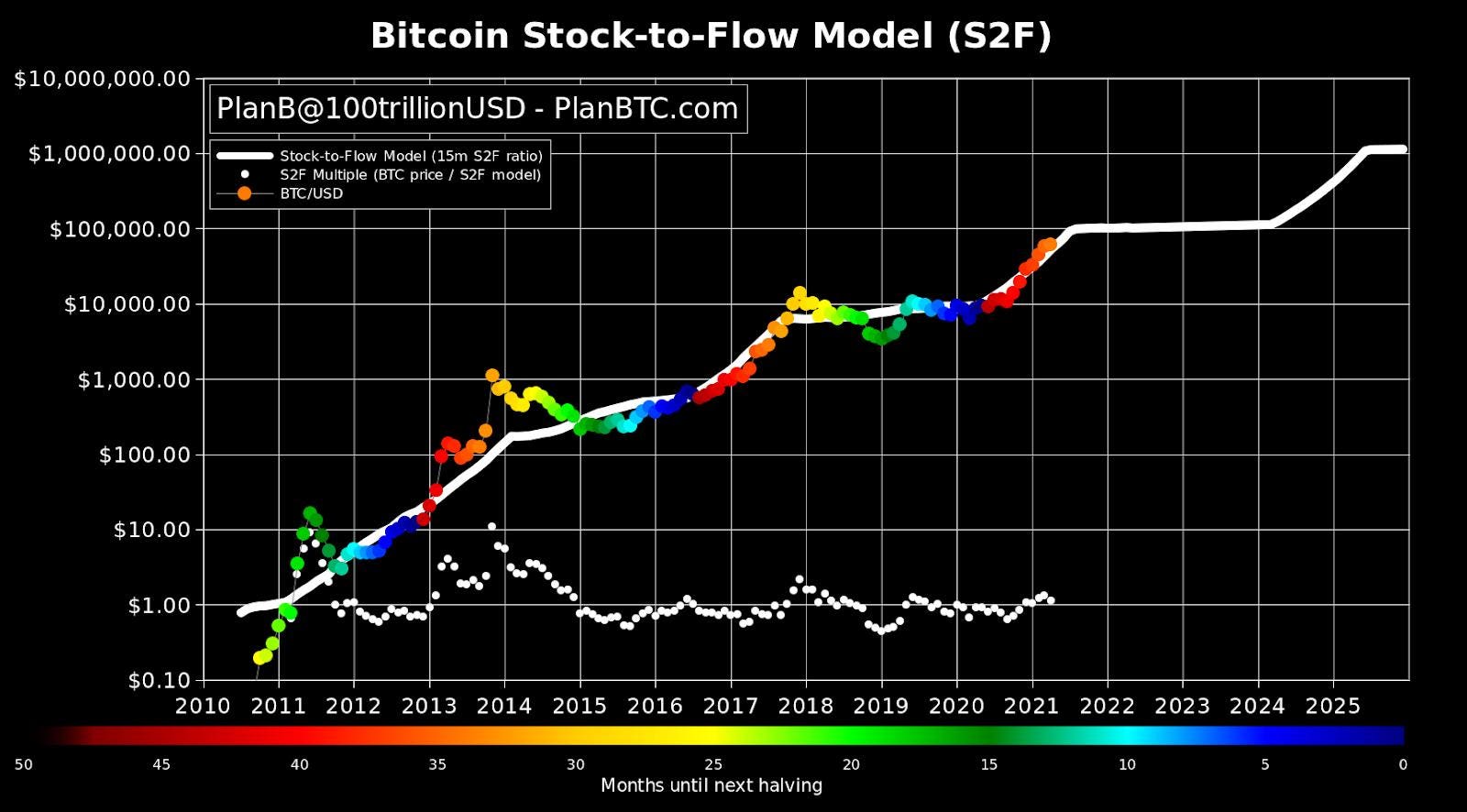
Visualizing infrastructure stress
To understand how these structural elements interact during a crisis, it helps to look at price action during known liquidity shocks. The following chart illustrates Bitcoin’s price behavior during a period of significant market stress, highlighting how infrastructure failures can amplify downward moves.
Tracking liquidity shifts
Bitcoin operates as a global liquidity barometer. When central banks expand balance sheets, capital flows into risk assets; when they contract, that liquidity evaporates. Tracking these shifts allows you to identify "blood money" opportunities before they hit mainstream order books. You need to see the plumbing, not just the price.
The image below illustrates how Bitcoin correlates with global liquidity trends year-over-year. It serves as a visual anchor for understanding how macro liquidity drives BTC valuations.
To execute this analysis, you must compare data providers. Not all on-chain metrics are created equal. Some track wallet balances, while others monitor exchange inflows or stablecoin supply. Choose tools that offer real-time visibility into these specific vectors.
| Provider Type | Primary Focus | Best For |
|---|---|---|
| Glassnode | Deep on-chain metrics | Historical wallet analysis |
| CryptoQuant | Exchange flows | Spotting exchange inflows/outflows |
| Nansen | Smart money tracking | Identifying whale movements |
Understanding these distinctions is critical for your BTC Blood Money Analysis. A sudden increase in exchange deposits often signals impending selling pressure, while stablecoin minting can indicate incoming buying power. Use these tools to filter noise and focus on the signals that matter.
Essential btc blood money tools for research
Tracking the 2026 market shifts requires more than just a spreadsheet. You need a stack that separates signal from noise, especially when liquidity is thin or manipulation is suspected. The right hardware and software infrastructure ensures your data integrity remains intact while you analyze on-chain anomalies.
Start with security. Hardware wallets like the Trezor Model T or Ledger Nano X provide the physical isolation necessary for storing keys during high-stakes analysis. These devices keep your private keys offline, preventing remote exploits while you monitor volatile movements. For the actual analysis, data terminals like Glassnode Studio or CryptoQuant offer the on-chain metrics needed to spot whale accumulation or exchange outflows before they hit the broader market.
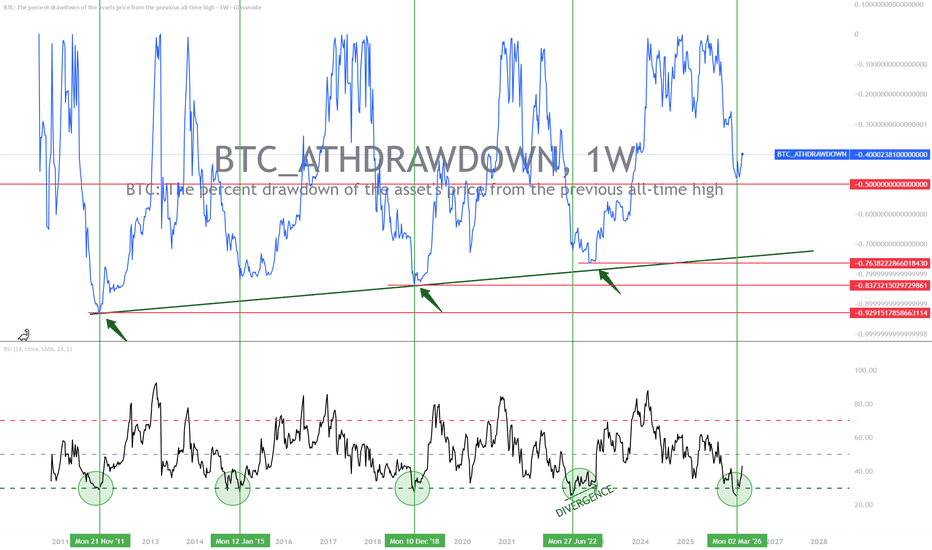
Pair your data sources with reliable visualization tools. TradingView remains the standard for technical charting, allowing you to overlay indicators like RSI or MACD with on-chain data layers. This combination helps you correlate price action with network health, providing a clearer picture of whether a dip is a buying opportunity or a sign of deeper structural weakness.



As an Amazon Associate, we may earn from qualifying purchases.
Building this toolkit takes time, but it pays off when the market gets choppy. Having dedicated tools for security, data retrieval, and visualization creates a robust framework for any btc blood money analysis workflow.
Common Mistakes in BTC Blood Money Analysis
High-stakes crypto analysis demands precision, yet even seasoned traders stumble over the same predictable pitfalls. The market’s volatility often masks structural realities, leading analysts to misread panic for permanent failure. In a "BTC Blood Money analysis," distinguishing between temporary liquidity shocks and genuine regime changes is the difference between capturing alpha and bleeding capital.
One frequent error is ignoring liquidity depth. Thin markets are vulnerable to manipulation, where large orders can trigger cascading liquidations that look like organic selling pressure. As noted by Investopedia, artificial demand spikes and subsequent crashes often stem from this lack of depth rather than fundamental shifts in value. Failing to account for order book thickness means you might exit a position on a wick that would have resolved naturally with better market structure.
Another trap is conflating narrative sentiment with on-chain reality. Social media hype can drive short-term price action, but it rarely sustains long-term trends. Relying on social sentiment without verifying wallet movements, exchange flows, or miner behavior leads to delayed entries and exits. True analysis requires cross-referencing market data with primary sources to separate noise from signal.
To manage these complexities, having the right tools is essential. The following infrastructure helps filter out false signals and provides a clearer view of market mechanics.


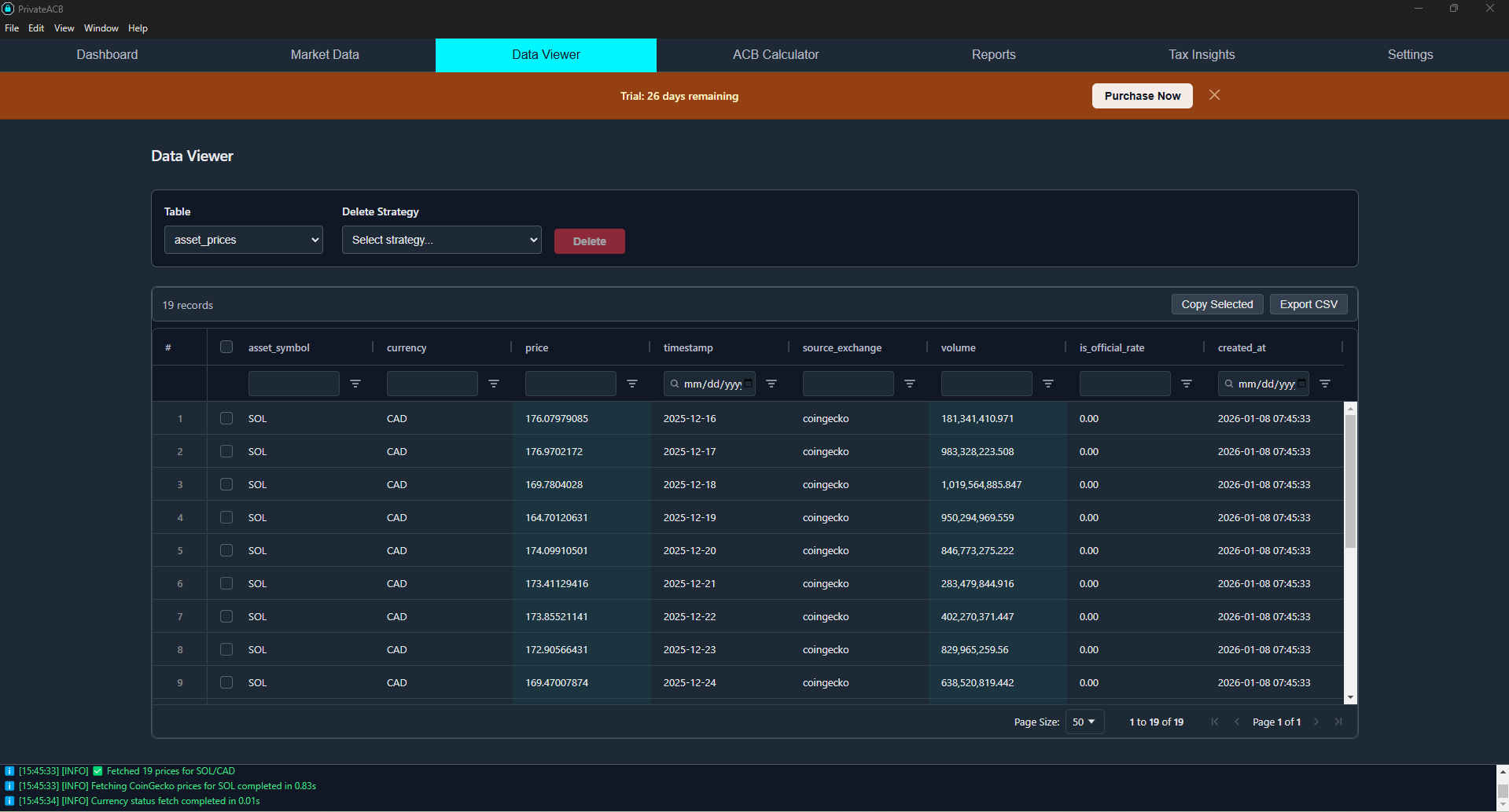
As an Amazon Associate, we may earn from qualifying purchases.
By avoiding these common mistakes and leveraging robust tools, you can maintain clarity during market turbulence. Remember, the goal is not to predict every move but to understand the underlying forces driving them.
Why bloodbath in crypto happens
Crypto bloodbaths are rarely just about bad news. They are structural failures where thin liquidity meets extreme leverage. When markets lack depth, a small trigger can cascade into a forced liquidation event, wiping out overextended positions in minutes.
The term "digital blood money" describes this dynamic: profits are extracted not from innovation, but from the fragility of over-leveraged participants. As noted in recent analysis, artificial demand and transaction fee arbitrage can exacerbate these swings, turning volatile price action into a zero-sum game for retail traders.
The infrastructure for this analysis relies on real-time data. We use provider-backed widgets to track market depth and leverage ratios, ensuring we are analyzing live conditions rather than stale snapshots.
No comments yet. Be the first to share your thoughts!